What Makes Shakespeare's Works Timeless Masterpieces?
Universal Themes and Human Experiences
One of the significant aspects that cement William Shakespeare's works as timeless is his exploration of universal themes and human experiences. The Bard touched upon themes such as love, betrayal, power, jealousy, and mortality, which remain relevant across generations and cultures. For instance, the unbridled ambition in "Macbeth" or the exploration of familial relationships and betrayal in "King Lear" provide critical insights into human nature and societal structures that resonate even in contemporary times (Shakespeare Birthplace Trust).
Exploration of Love in its Various Forms

Shakespeare’s extensive exploration of love, showcased in plays like "Romeo and Juliet," transcends mere romantic entanglements. His depictions encompass various forms of love, including familial, platonic, and unrequited love, rendering his works relatable and emotionally resonant for varied audiences. The multifaceted portrayal of love and its associated complexities, such as sacrifice, passion, and despair, taps into intrinsic human emotions and experiences, rendering these themes eternal and universally pertinent (British Library: Romeo and Juliet).
Rich and Complex Character Development
The characters crafted by Shakespeare are notably complex and multifaceted, exhibiting a range of human emotions and moral dilemmas. From Hamlet's existential brooding to Othello's tormented jealousy, the characters are not mere caricatures but rather intricate portrayals of human beings with virtues, flaws, doubts, and aspirations. This depth in character development enables audiences from varied epochs and cultures to find relatability and empathy with Shakespeare’s characters, driving the timeless appeal of his works (JSTOR).
Empathy Towards Flawed Characters
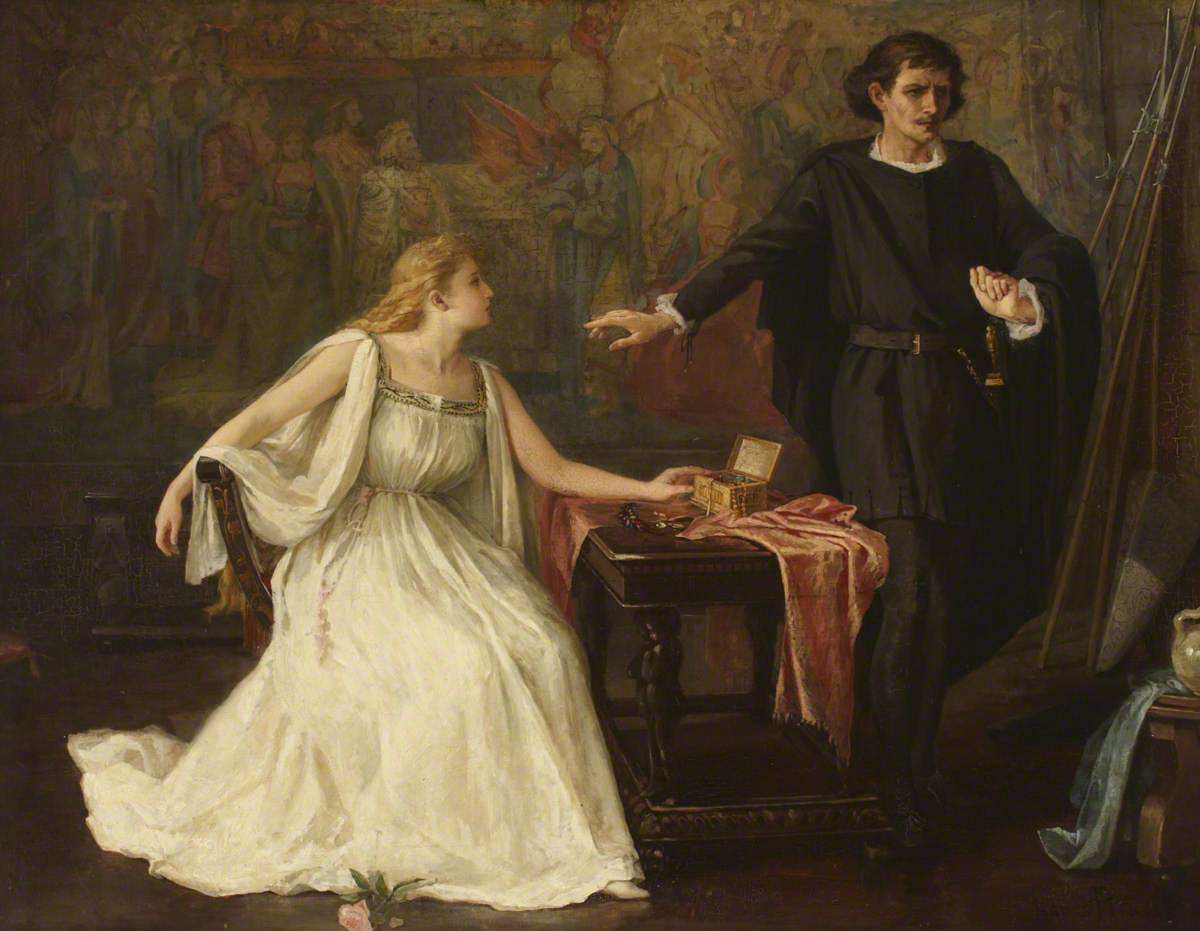
The characters in Shakespeare’s works, despite their status or moral compass, exhibit vulnerabilities that make them profoundly human and, consequently, timeless. Hamlet, for instance, despite being a prince, grapples with internal conflict, moral quandaries, and the profound grief emanating from betrayal and loss. These vulnerabilities forge a path for audiences to empathize and engage with the characters, exploring their own human experiences and emotions through the prism of Shakespeare's narratives (Folger Shakespeare Library: Hamlet).
Linguistic Mastery and Innovation
Shakespeare's linguistic prowess and innovation significantly contribute to the enduring relevance and admiration of his works. His ability to craft language in a manner that is both profound and accessible allows for the communication of complex ideas and emotions with striking clarity and beauty. Moreover, Shakespeare’s inventive use of language, where he coined new words and phrases, has indelibly shaped the English language and continues to be used in contemporary discourse (Shakespeare's Globe).
Blend of Poetic and Colloquial Language

Shakespeare uniquely marries poetic and colloquial language, enabling his works to be appreciable by both elite and common audiences. The rich, metaphorical language used in soliloquies, coupled with the usage of vernacular in dialogues, establishes a balance that enhances the relatability and aesthetic appreciation of his works. The use of iambic pentameter and blank verse provides a rhythmic and resonant quality to the dialogues, making them memorable and emotionally impactful (British Library: Shakespeare's Language).
The Blend of Tragedy and Comedy
The timelessness of Shakespeare’s works is also buoyed by his adeptness at blending various literary genres, particularly tragedy and comedy, crafting narratives that reflect the multifaceted nature of human experiences. This genre-blending allows his works to traverse a spectrum of emotions, providing moments of levity amidst despair and integrating gravitas within lighthearted scenarios, thereby mirroring the complexities and paradoxes of real-life experiences (No Sweat Shakespeare).
Tragicomedies and the Exploration of Dualities

Shakespeare’s tragicomedies, like “The Merchant of Venice,” seamlessly weave elements of tragedy and comedy, exploring dualities such as joy and sorrow, hope and despair, enabling audiences to engage in a multifaceted emotional experience. This capability to coalesce contrasting genres allows Shakespeare to explore the complexities and nuances of human experiences and emotions, ensuring that his works are reflective of the varied and paradoxical nature of life and remain perpetually relevant and resonant (British Library: The Merchant of Venice).
Political and Social Commentary
Shakespeare's works have endured through the ages, partly due to the robust political and social commentaries embedded within them. His plays often dissect the dynamics of power, governance, social hierarchies, and societal norms, offering insights that remain relevant in various temporal and geographical contexts. Such themes offer a mirror to societies across ages, allowing audiences to reflect upon, critique, and engage with their own social and political realities (British Library).
Power Dynamics and Governance
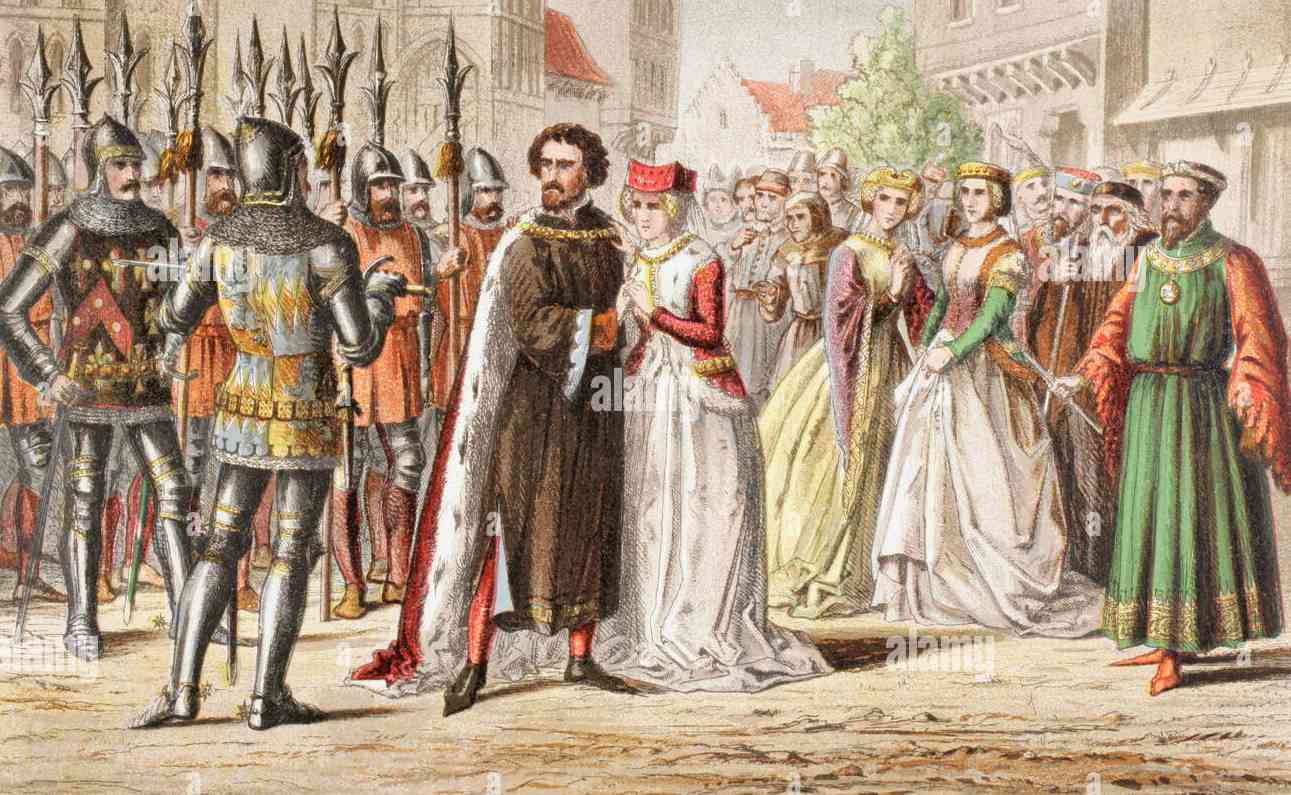
Plays like "Richard II" not only explore the nature of kingship but also delve into the complexities and moralities associated with governance, leadership, and the wielding of power. The exploration of the responsibilities, challenges, and moral dilemmas faced by leaders offers a timeless reflection on governance and power dynamics, which continues to resonate with global audiences, enabling them to dissect and contemplate their own political contexts and histories (Royal Shakespeare Company).
Exploration of Identity and Self
Shakespeare deftly navigates through the intricate webs of identity and self-exploration, intertwining them with aspects such as social standing, gender, and morality. His characters often undergo significant transformations or encounter internal and external conflicts that challenge their sense of self and position within their social milieus. This nuanced exploration of identity, belonging, and personal evolution remains a timeless theme, echoing the eternal human quest for understanding and defining the self within larger societal contexts (Utah Shakespeare Festival).
Gender and Identity in Shakespeare's Plays
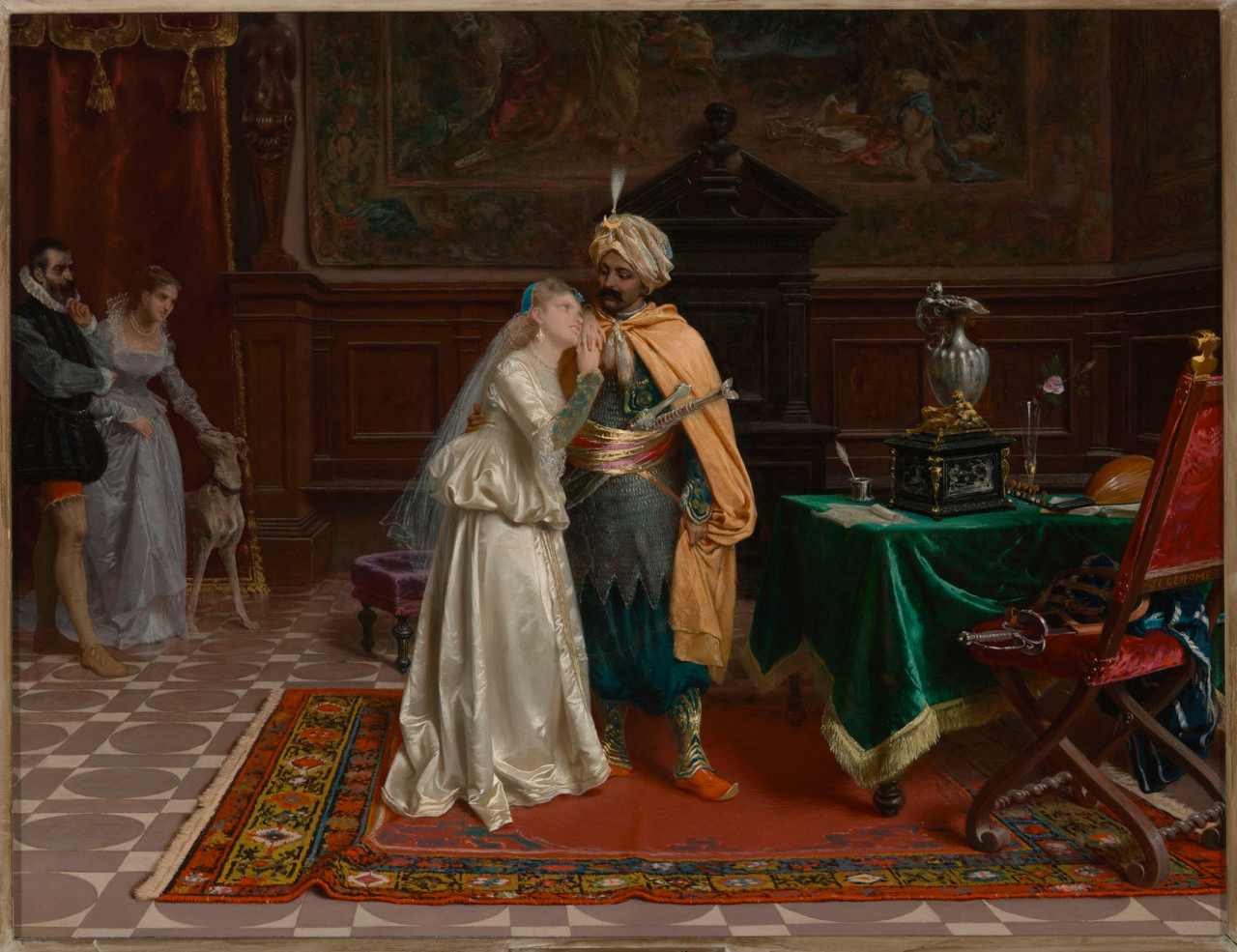
The examination of gender roles and identity is a prevalent theme in Shakespeare's works, providing a lens through which to explore societal norms, expectations, and individual rebellions against prescribed identities. For example, characters like Desdemona in "Othello" or Viola in "Twelfth Night" challenge and navigate the gender norms of their respective societies, offering audiences an opportunity to explore and critique the constructions of gender and identity within their own contexts and epochs (British Library: Gender in Twelfth Night).
Psychological Depth and Complexities
Shakespeare's profound understanding of human psychology and the emotional complexities that underpin human behavior contribute significantly to the timelessness of his works. His characters often grapple with internal conflicts, moral dilemmas, and psychological torment, providing a rich exploration of the human psyche. This psychological depth not only renders his characters relatable but also allows audiences to engage in introspective journeys, reflecting on their own emotional and psychological landscapes (American Psychological Association).
Internal Conflict and Moral Dilemmas
Characters like Macbeth, who is torn between ambition and morality, exhibit a profound internal conflict that reflects the complexities of human emotions and moral decision-making. The psychological turbulence experienced by Shakespeare’s characters as they navigate through their desires, duties, and societal expectations provides a timeless exploration of human morality and the internal conflicts that arise from it, which continues to captivate contemporary audiences and render his works universally relatable (British Library: Macbeth and the Witches).
Cultural Impact and Continual Reinterpretations
The extensive cultural impact of Shakespeare's works and their continual reinterpretations across various media, cultures, and epochs also play a vital role in establishing their timelessness. His plays and sonnets have transcended their Elizabethan origins, being adapted and reimagined in varied cultural contexts, thereby ensuring their persistent relevance and resonance across the globe. These reinterpretations not only preserve the legacy of Shakespeare but also enable his works to be continually rediscovered and redefined by new generations (BBC).
Adaptations Across Media and Cultures
From theatrical revivals to cinematic adaptations, Shakespeare’s works have been reimagined across various media and cultural contexts, such as the 1995 film adaptation of "Othello". These adaptations often bring new perspectives and contemporary nuances to the timeless themes explored within his works, allowing them to continually engage with new audiences and remain relevant across different cultural and temporal landscapes. The universality of his themes, coupled with the adaptability of his works, ensures that Shakespeare's masterpieces continue to be celebrated and explored in myriad forms across the world (Folger Shakespeare Library).
Timeless Themes of Love, Betrayal, and Ambition
The exploration of universal and timeless themes, such as love, betrayal, and ambition, in Shakespeare's works also underscores their perpetual relevance and appeal. His plays and sonnets delve into the depths of human emotions and experiences, exploring varied facets of love and the often tragic repercussions of betrayal and unchecked ambition. These themes, being intrinsic to the human condition, enable his works to traverse temporal boundaries and continue to resonate with audiences of various epochs (British Library).
Love in its Varied Forms
Shakespeare’s exploration of love is not confined to romantic love but extends to delve into varied forms, such as platonic, familial, and self-love. Plays like "Romeo and Juliet" explore the ecstatic highs and tragic lows of romantic love, while others, like "King Lear," examine the dynamics of parental and filial affections. This exploration of love in its multifaceted forms offers audiences timeless narratives that reflect their own experiences and emotional landscapes, contributing to the enduring appeal of his works (Shakespeare Birthplace Trust).
The Ambiguity of Characters and Situations
Shakespeare masterfully crafts his characters and plots with a certain level of ambiguity that allows for varied interpretations and engages audiences in active analysis and contemplation. The complexity and multifaceted nature of his characters, coupled with the moral and situational ambiguity within the plots, ensure that his works are not bound by singular interpretations and continue to be explored, debated, and redefined by generations of audiences and scholars alike (The Guardian).
Interpretative Flexibility
The ambiguity and complexity inherent in Shakespeare's characters and narratives allow for a wide range of interpretations, providing a rich canvas for exploration and reinterpretation. Characters like Hamlet, for instance, have been analyzed and portrayed in varied lights, reflecting different aspects of human psychology, morality, and existence. This interpretative flexibility enables Shakespeare's works to be continually explored and redefined, offering fresh perspectives and insights that align with varied cultural and temporal contexts, ensuring their continued relevance and exploration (The Guardian: Hamlet).
Linguistic Mastery and Innovation
Shakespeare’s enduring influence is partially ascribed to his linguistic prowess and innovative use of the English language. His ability to weave words into eloquent expressions, create new phrases, and structure language in a way that beautifully encapsulates human emotions and thoughts significantly contributes to the timeless appeal of his works. The linguistic mastery is not only a testament to his individual genius but also provides a rich resource for exploring the expressive potentials of language, thereby enabling his works to be continually appreciated and studied (British Library).
Inventiveness with Language
Shakespeare was notably inventive with language, crafting new words, phrases, and linguistic structures that have endured and become embedded within the English language. His ability to communicate complex, nuanced emotions and ideas through his linguistic innovations has facilitated the expression of human experiences and ensured that his works remain accessible and relatable to audiences across time and space (No Sweat Shakespeare).
Unresolved Questions and Open Endings
Another element that contributes to the timelessness of Shakespeare's works is his penchant for leaving certain questions unresolved and providing open endings that invite interpretation and contemplation. This strategic ambiguity allows his works to be continually re-explored and reinterpreted, fostering ongoing engagement and discussion amongst audiences, scholars, and adaptors alike. The ability of his works to provoke thought, inspire debate, and encourage varied interpretations has ensured their persistent presence within cultural and academic discourses (JSTOR).
Provoking Thought and Interpretation
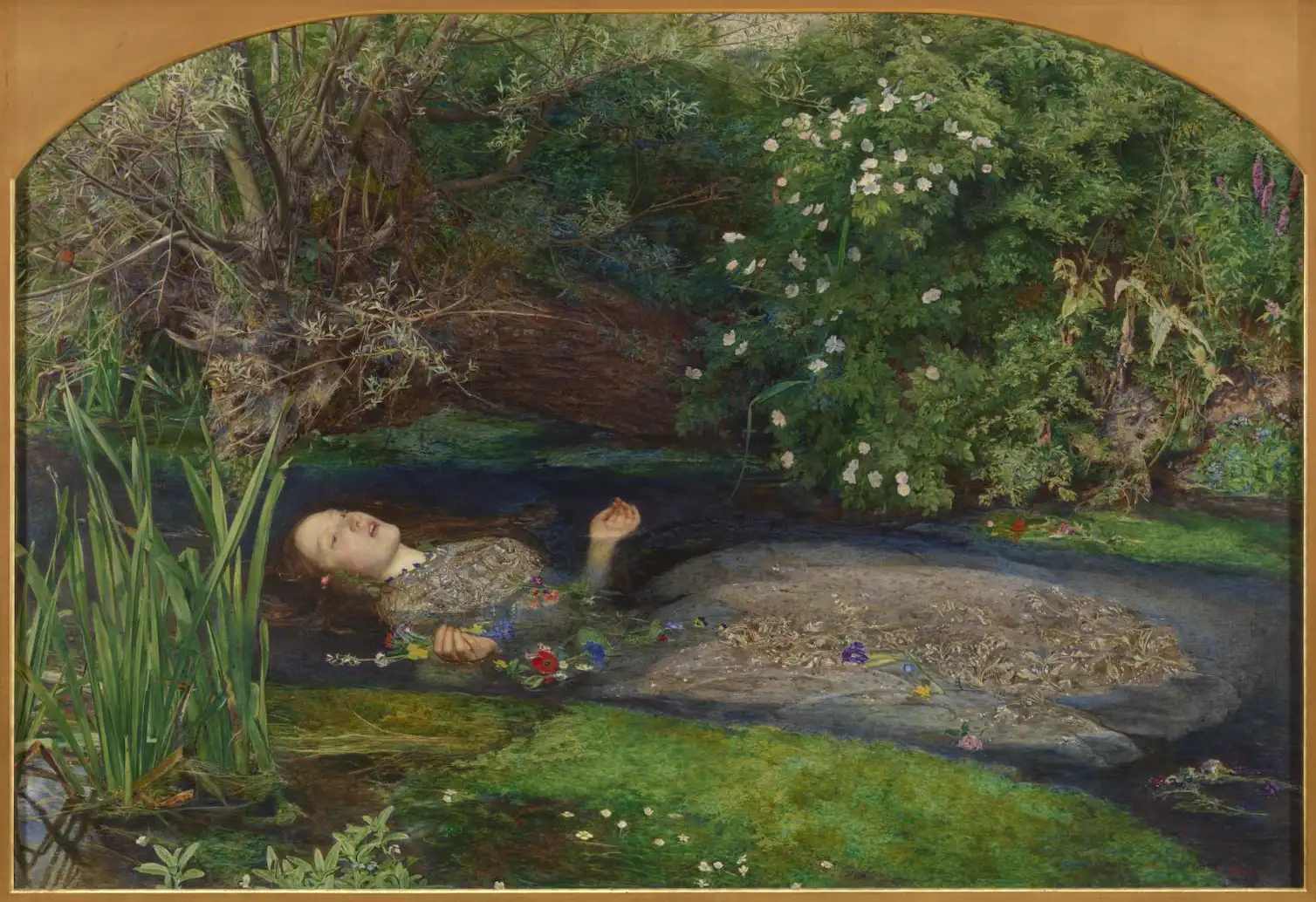
The open endings and unresolved dilemmas within Shakespeare's works, such as the character of Ophelia in "Hamlet" or the true intentions behind Iago’s malevolence in "Othello", invite audiences to immerse themselves in analytical and creative thought. These unresolved aspects provoke discussion and allow for diverse interpretations, ensuring that his works remain a fertile ground for exploration and discourse, allowing them to continually engage with new generations and various cultural contexts (Video: The Character of Ophelia).
Conclusion
William Shakespeare’s works continue to reign supreme within the realms of literature, drama, and academic study due to a myriad of factors that transcend temporal and cultural boundaries. The timeless themes, psychologically complex characters, linguistic innovation, and the eternal questions posed within his plays and sonnets ensure that they remain relevant, relatable, and deeply resonant with audiences across the globe and through the ages. His adeptness at exploring the depth and breadth of human experience, emotion, and morality, coupled with his masterful use of language and the open-ended, interpretive nature of his works, offer a boundless canvas for exploration, adaptation, and reinterpretation, thereby preserving and perpetuating the universal appeal and timelessness of his literary masterpieces.